
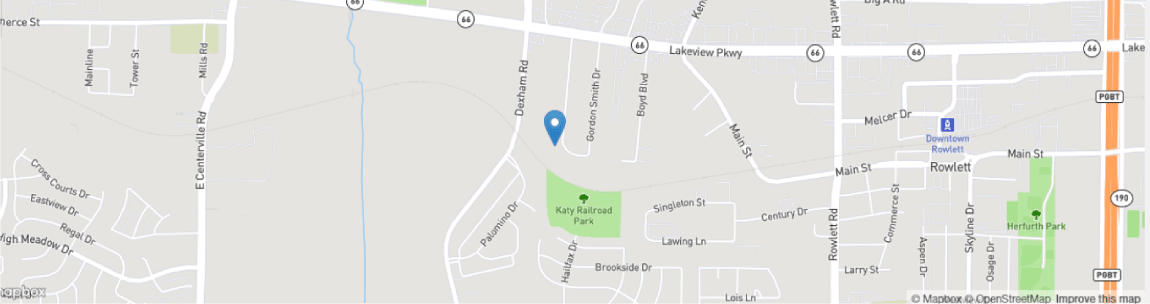
 4921 Grisham Dr. Suite A
Rowlett, TX 75088
 4921 Grisham Dr. Suite A


That is the question we get asked by Mercedes owners around Rowlett. The noise is a dull knock from the front of the car, it shows up over tar strips and concrete joints more than over big potholes, and it is worse at low speed than at highway speed. The steering has probably gone slightly vague at the same time, though most people do not connect the two. The usual answer is the control arm bushings, and in North Texas they die of heat before they die of mileage.
A control arm bushing is a steel sleeve bonded into a rubber or hydraulic-fluid-filled bush, pressed into the arm. Its job is to let the arm pivot while absorbing vibration, so the steering stays precise and the cabin stays quiet. Rubber is the compromise that makes both possible.
Heat is what kills it. Every hot day drives more of the plasticizers out of the compound, the rubber hardens, and hairline cracks open around the bonded edge. On the hydraulic bushings Mercedes uses on the front lower arms of many models, the fluid leaks out of those cracks and the bushing collapses internally while still looking intact from underneath.
The same bushing lasts longer in a mild climate than it does on a car that spends its life parked outside in Rowlett. The decline is gradual enough that owners adapt to it without ever noticing the car changed.
Steering vagueness comes first. The car wanders slightly on a crowned road and needs small corrections to hold a lane. Drivers describe the car as loose, not broken.
The clunk comes second, and it is specific: a single knock as the suspension changes direction over a sharp joint. A continuous rattle points somewhere else, usually at sway bar links or a loose heat shield.
Tire wear comes third. A collapsed bushing lets the control arm move rearward under braking and acceleration, which changes caster and toe dynamically even though a static alignment reads fine. The inner shoulder scuffs, and by then you have bought a new tire you did not need to.

A worn bushing is rarely the only worn thing on a car old enough to have one. Ball joints, sway bar links, tie rod ends and strut mounts all live in the same neighborhood and all contribute their own noises. Replacing a bushing and leaving a loose ball joint means the clunk is still there when you pick the car up.
On the lift, each joint gets loaded with a pry bar and checked for movement, and the bushings get inspected for cracking and fluid staining. That inspection takes about as long as the road test and it is the part that decides what the repair actually is.
Worth knowing: the Texas Department of Public Safety confirmed that as of January 1, 2025, non-commercial vehicles no longer need a safety inspection before registration, under House Bill 3297. You still pay a $7.50 inspection program replacement fee at registration, and emissions testing continues in the counties that require it.
The practical effect is that nobody is obligated to look under your car once a year any more. Suspension components do not announce themselves the way a check engine light does. If the annual inspection was the only time anyone put your Mercedes on a lift, that habit is now yours to keep.
Depending on the model, the bushing either presses into the existing control arm or comes as part of a complete arm assembly. Pressing is cheaper in parts and more expensive in labor, and on some Mercedes front arms the bushing is not sold separately at all.
Either way the job ends on the alignment rack. Replacing a control arm changes camber and caster, and skipping the alignment turns a correct repair into a tire bill three months later.
Q: How long can you drive on worn control arm bushings?
A: Months, usually, and the car will feel progressively worse. The thing that forces the issue is tire wear and the risk that the arm’s movement starts loading the ball joint in a direction it was not designed for.
Q: Do bad bushings cause a vibration at highway speed?
A: Not usually on their own. A speed-dependent vibration points at wheel balance, a bent wheel or a tire problem. Bushings produce noise and imprecision rather than shake.
Q: Is an alignment always needed after suspension work?
A: After anything that changes the position of a control arm, yes. After a sway bar link or a shock absorber on a strut-free setup, not necessarily.
If your Mercedes has started talking back over Rowlett’s concrete joints, a front-end inspection answers it in one visit. We also serve Garland, Rockwall, Sachse and Wylie.
Rowlett Motorwerks, 4921 Grisham Dr, Suite A, Rowlett, TX 75088. More at rowlettmotorwerks.com.
 469-910-8087
 4921 Grisham Dr. Suite A
 Mon – Fri : 8am to 6pm
Site Design & Marketing By 
Rowlett Motorwerks

 469-910-8087